
Multi-Channel Brand Presence

Building strong brand awareness requires visibility across multiple digital channels. In today’s competitive marketplace, relying on a single platform is rarely enough to capture audience attention. Businesses that maintain a multi-channel brand presence increase their chances of reaching potential customers and reinforcing recognition over time. A multi-channel approach allows brands to interact with audiences in different environments. Some users prefer…

Read More icon

Consistent Brand Messaging

A successful brand awareness strategy depends heavily on consistent messaging. When a brand communicates clearly and consistently across different platforms, it becomes easier for audiences to recognize, remember, and trust it. Consistency strengthens identity and ensures that every interaction with the brand reinforces the same perception. The first step in building consistent brand messaging is defining the brand’s core values…

Read More icon

Audience-Focused Awareness

A strong brand awareness strategy begins with understanding the audience. Brands that clearly identify who they want to reach are far more effective at building recognition and influence in the market. Instead of trying to appeal to everyone, successful businesses focus their awareness efforts on the people most likely to benefit from their products or services. The foundation of an…

Read More icon

Multi-Channel Brand Exposure

A successful brand awareness strategy relies on reaching audiences across multiple channels. In today’s digital environment, customers interact with brands through a variety of platforms, and companies that maintain a presence across these touchpoints significantly increase their chances of being recognized and remembered. Multi-channel exposure begins with identifying where the target audience spends the most time. Some audiences engage heavily…

Read More icon

Strategic Brand Positioning

Building strong brand awareness requires more than visibility. It requires strategic positioning that clearly communicates what a brand represents and why it matters to its audience. A well-defined brand positioning strategy ensures that a company stands out in competitive markets and remains memorable to potential customers. The first step in effective brand positioning is identifying a unique value proposition. Businesses…

Read More icon

Awareness Before Acquisition

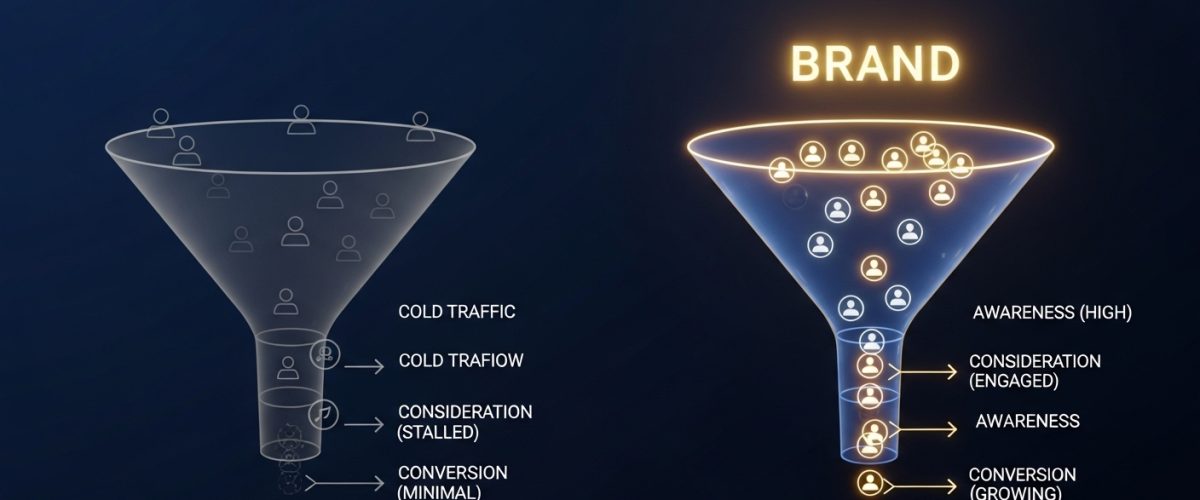
Many businesses focus heavily on customer acquisition while neglecting awareness. Budgets are directed toward lead generation, conversion optimization, and short-term sales targets. While these efforts can produce immediate results, they often become increasingly expensive over time. Acquisition without awareness means constantly persuading cold audiences who have no prior familiarity with the brand. Acquisition becomes easier and more cost-effective when awareness…

Read More icon

Consistency Across Channels

Brand awareness strategy fails when messaging fragments across channels. A brand may appear professional and formal on its website, casual and reactive on social media, and overly promotional in advertising. While each channel may perform individually, the overall perception becomes unstable. Recognition weakens because the audience encounters different versions of the same brand. Strategic awareness demands cohesion. Visual identity, tone…

Read More icon

Building Mental Availability

A successful brand awareness strategy aims for one critical outcome: mental availability. When a customer experiences a need, your brand should surface instantly in their mind — without prompting, without searching, without comparison. That immediate recall creates advantage before the buying process even begins. Mental availability does not happen through occasional campaigns or isolated bursts of visibility. It requires consistent…

Read More icon

Position First, Promote Second

Many brands rush into promotion before defining their strategic position. They invest in visibility, launch campaigns, and expand across platforms without first deciding how they want to be perceived. As a result, awareness grows in fragments rather than in a focused direction. Exposure increases, but association remains weak. A strong brand awareness strategy begins by identifying a distinct market space.…

Read More icon

Strategic Awareness Is a Long-Term Asset

Brand awareness strategy is not about short bursts of attention — it is about building a long-term market asset. Many companies invest heavily in campaigns, influencers, and paid exposure, yet fail to create a consistent awareness system that compounds over time. Visibility increases temporarily, but recognition does not strengthen. Attention appears, then disappears. A strong awareness strategy begins with clarity.…

Read More icon
1 2 3 6